
Why a Meme Coin Food Brand Can Win
- Claire Beer

- 2 jul
- 5 minuten om te lezen
Fast food has always run on repetition. Same cravings, same orders, same brands fighting for attention with coupons and mascots. A meme coin food brand changes that equation. It turns a one-time meal into an ongoing relationship, where community, incentives, culture, and upside all move together.
That matters because most restaurant loyalty is forgettable. Buy nine, get one free, maybe scan an app, maybe open an email you never wanted. In Web3, that kind of passive relationship already feels old. People want belonging, access, status, and a reason to stay tapped in. When a food brand plugs into meme coin energy, it can become more than a place to eat. It can become a movement people want to rep.
What makes a meme coin food brand different
A normal restaurant brand sells food and hopes the experience is strong enough to bring people back. A meme coin food brand sells food, yes, but it also sells identity. The customer is not just buying a burger, combo, or late-night fix. They are buying into a culture, a language, and a shared bet on where the brand could go next.
That shift is bigger than a gimmick. Meme coins thrive on community participation, internet-native storytelling, and velocity. Food thrives on habit, convenience, and physical proof of value. Put them together the right way and you get something most pure crypto projects do not have - a real-world touchpoint people can see, visit, taste, and talk about.
This is where the model gets interesting. Tokens can power discounts, member-style perks, access to launches, limited activations, and community campaigns that feel alive instead of corporate. The restaurant side gives the token something many speculative assets lack - visible utility and a brand world people can interact with offline.
The real advantage of meme coin food brand economics
Most meme projects are trying to manufacture belief from pure attention. That can run hard, but it can also fade hard. A meme coin food brand has a different playbook. It can convert attention into transactions, then turn transactions into loyalty, and then turn loyalty into advocacy.
That stack matters. If someone holds a token and also eats at the restaurant, posts the brand, brings friends, and watches the footprint expand, they are no longer just a spectator. They are participating in an ecosystem with both cultural and commercial signals. That creates a stronger emotional loop than a chart alone ever can.
There is also a practical layer here that people sometimes miss. Discounts and holder benefits are not just perks. They are acquisition tools. They give customers a reason to try the brand and a reason to come back. In a crowded food market, that edge is powerful. In a crowded crypto market, real-world utility is even more powerful.
Still, this is not magic. If the food is weak, the token cannot save it. If the token mechanics feel forced, the restaurant side can start looking like a marketing wrapper for speculation. The win happens when both sides reinforce each other instead of competing for credibility.
Why meme coin food brand loyalty feels stronger
Traditional loyalty programs are transactional by design. Spend money, collect points, redeem later. They work, but they rarely create emotional momentum. A meme coin food brand can do more because it taps into status and community behavior, not just discounts.
Owning a token can feel like being early. It can feel like being inside the growth story, not outside of it. That psychology is huge for younger consumers and crypto-native audiences who are already wired for participation. They do not just want rewards. They want signals that they are part of something moving.
This is why brand storytelling matters as much as the menu. Expansion updates, community activations, token-holder incentives, and visible traction all feed the same narrative. People stay engaged because the brand keeps giving them a reason to care between purchases.
Used well, the model turns customers into promoters without forcing it. People talk about what makes them feel early, connected, and slightly ahead of the crowd. That is a far stronger engine than generic loyalty points sitting in an app.
Where the model can break
The hype is real, but so are the trade-offs. A meme coin food brand has to operate in two demanding worlds at once. Restaurants are operationally intense. Crypto communities are attention intense. If either side slips, confidence can drop fast.
One risk is imbalance. If the brand talks like a token project but delivers like an average restaurant, people notice. If it talks like a restaurant but the token has no meaningful role, people notice that too. The concept only works when the utility is obvious and the brand experience feels deliberate.
Another issue is volatility. Meme coin audiences can be highly engaged, but they can also be impatient. They expect momentum, updates, and reasons to believe. Restaurant growth, on the other hand, takes time, systems, and execution. That tension needs to be managed carefully. Fast hype and real expansion do not always move at the same speed.
There is also the credibility question. Consumers will forgive bold branding. They will not forgive empty promises. If a brand wants to own this lane, it needs a real product, clear benefits, and visible follow-through. Without that, the meme layer stops looking fun and starts looking flimsy.
How a meme coin food brand creates momentum
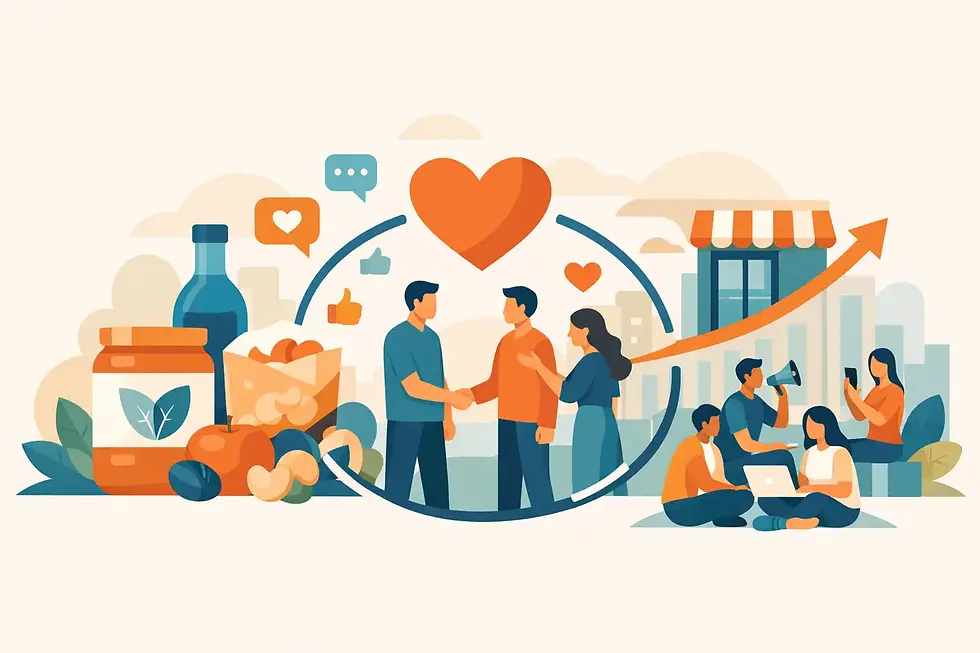
The strongest version of this model is not a novelty drop or a one-off stunt. It is a brand machine. Food drives foot traffic. Tokens drive retention. Community drives amplification. Expansion drives belief. Each piece feeds the next.
That is why this category is bigger than themed packaging or crypto payment acceptance. Plenty of brands can accept digital assets. Very few can build a full loop where dining, ownership mechanics, incentives, and growth storytelling all reinforce one another.
For a brand with serious ambition, this creates unusual leverage. A customer can become a holder. A holder can become a regular. A regular can become a promoter. A promoter can become an operator, partner, or franchise-minded believer in the broader mission. That is not standard restaurant behavior. That is network behavior.
This is exactly why the model speaks to globally minded, digitally native audiences. They are not just buying lunch. They are looking for brands that move like communities and communities that feel like brands. The line is blurring, and the winners will be the ones that understand how to turn attention into participation.
What the next wave looks like
The next phase of consumer brands will not be built on product alone. Product still matters, but it is no longer enough. The brands that break out will give people utility, identity, and a reason to stay involved after the first transaction.
A meme coin food brand sits right in that future. It matches how internet culture actually works. People gather around symbols, jokes, momentum, and shared upside. But unlike a pure online project, a food brand can anchor all that energy in something tangible. You can taste it. Visit it. Bring friends to it. Watch it scale into new markets.
That physical layer changes everything. It gives the community something to point at besides price action. It turns digital energy into real-world presence. And when the concept is executed with confidence, it can create a brand that feels bigger than a restaurant and more durable than a meme.
PAINDEMIE GLOBAL belongs in this conversation because it is built around that exact collision point - fast food utility, token-powered participation, and expansion-first brand energy. That combination is not trying to copy old hospitality playbooks. It is pushing toward a new one.
The big opportunity is simple. People are tired of brands that ask for money and give back generic perks. They want access, story, movement, and a real reason to feel involved. A meme coin food brand can deliver that if it respects both sides of the equation: great consumer experience and credible community value.
The brands that win here will not be the loudest. They will be the ones that turn hype into habit, holders into customers, and customers into a community that actually wants the next location to open faster.


Opmerkingen